


Act Now. Help us Protect Children
in Massachusetts
Massachusetts • S.3141, AMENDMENT #110
Massachusetts is behind most of the country on protecting children.
Nineteen states have eliminated the civil filing deadline for childhood sexual abuse. Massachusetts still cuts survivors off at 53. A bill on Beacon Hill would change that—and it is one closed-door negotiation away from disappearing.
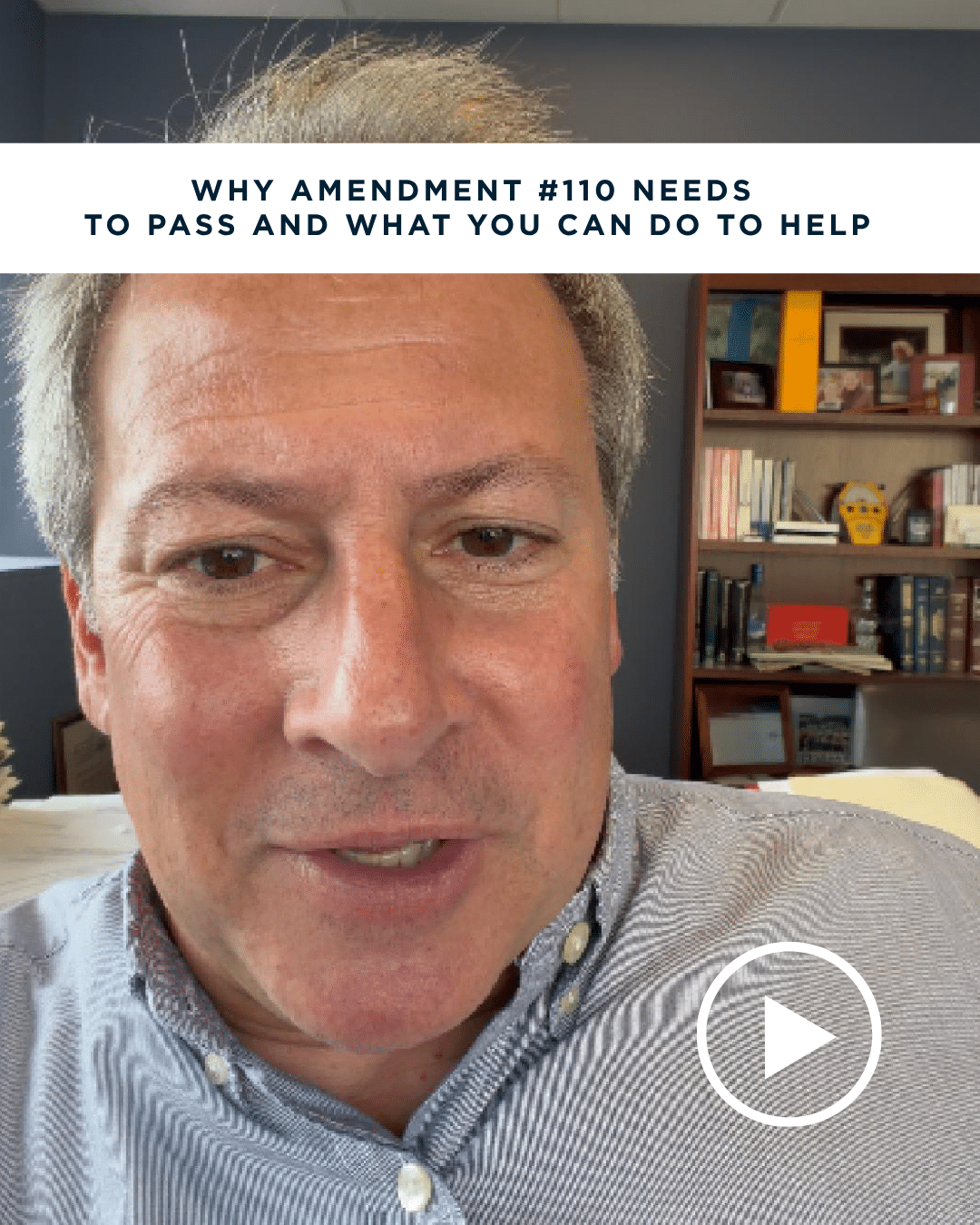
What is the deadline to file a child sexual abuse claim in Massachusetts?
Under M.G.L. c. 260, § 4C, a survivor has 35 years from their eighteenth birthday to bring a civil claim—a cutoff at age 53. A survivor may alternatively have seven years from when they discovered, or reasonably should have discovered, that a psychological injury was caused by the abuse, whichever gives more time. Massachusetts has no lookback window for claims that already expired.
Age Massachusetts cuts off civil claims against perpetrators
Maximum dollars a survivor can potentially recover from a negligent charity
States with no deadline at all
Three ways Massachusetts falls short
1. The clock runs out at 53
Massachusetts set that number in 2014, and it was progress at the time—the prior deadline was three years. But it assumes survivors come forward on a schedule. Recognizing what happened, being able to name it, and being ready to act on it are three separate thresholds, and decades can separate them. Many survivors arrive at the third one in their fifties or later. The law tends to expire at almost exactly that moment.
2. THERE Has Never Been a Lookback Window
Other states have created defined periods allowing expired claims to be filed. Massachusetts never has. If your claim ran out, it stayed out—permanently, with no mechanism to revisit it regardless of what evidence later emerged.
3. Institutions are shielded by a $20,000 cap
Under Massachusetts law, accountability often ends where charitable status begins. M.G.L. c. 231, § 85K is a little-known provision that caps civil liability at a mere $20,000 when harm occurs during a charitable organization’s activities. While the statute carves out a $100,000 limit for medical malpractice at nonprofit healthcare providers, it offers absolutely no exception for cases of childhood sexual abuse.
This is a devastating loophole. Some of the most vulnerable environments for children—congregations, private schools, summer camps, and youth programs—operate as legal charities. Under this statute, a survivor can prove every element of negligence against an institution that deliberately ignored clear warning signs of abuse, only to be awarded a maximum of $20,000. That is not a remedy; it is a rounding error on an institutional balance sheet. Worse, by reducing the cost of negligence to a negligible line item, the law removes any financial incentive for organizations to proactively protect children or investigate complaints.
How Massachusetts compares
| Protection | 19 Other States | Massachusetts |
|---|---|---|
| Civil deadline eliminated | Yes | No — age 53 |
| Lookback window for expired claims | Enacted in many | Never |
| Full damages from institutions | Generally yes | Capped at $20,000 |
Rhode Island opened a two-year window in June 2026, after its Attorney General documented decades of institutional failure to protect children. Massachusetts led on this issue in 2014. It now follows.
What Amendment #110 to Senate Bill 3141 would do
On July 29, 2026, State Representative John J. Lawn, Jr. of Watertown, filed Amendment #110, "An Act enhancing remedies for survivors of childhood sexual abuse," to Senate Bill 3141. The House adopted it and passed the bill the next day. It would:
1. END THE CIVIL DEADLINE GOING FORWARD
A survivor could file at any point in life, regardless of when the abuse occurred.
2. OPEN A TWO-YEAR LOOKBACK WINDOW
Survivors already timed out—everyone past 53—would get one defined period to bring an expired claim.
3. Remove the charitable damages cap
In these cases, the charitable damages cap is removed so institutions can be held fully accountable.
Frequently Asked Questions
Why the two-year window is the part that matters
Ending the deadline going forward helps people whose claims have not yet expired. It does nothing for someone who is 58 today—their claim ended at 53, and prospective reform does not revive it. A lookback window is the only mechanism that reaches those survivors.
Two years sounds generous. It is not, for someone who has spent thirty years not discussing this. Survivors in other states have lost the opportunity because word reached them in month twenty-two. Windows close.
Where the bill stands right now
Senate Bill 3141 is in a House–Senate conference committee, where a small group of legislators reconciles the two versions privately. Under the Legislature's rules for this session, those negotiations can continue into early January 2027.
Provisions rarely die on the floor with a recorded vote. They die in negotiation, as a line that did not make it into the final report. The House has already acted. The survivor provisions now survive only if senators insist on them.
What is the current deadline to file in Massachusetts?
Age 53—35 years from the survivor's eighteenth birthday—or seven years from when the survivor knew or reasonably should have known that a psychological injury was caused by the abuse, whichever gives more time. M.G.L. c. 260, § 4C.
How much can a survivor recover from a charitable institution?
$20,000 under M.G.L. c. 231, § 85K, where the harm occurred in the course of the organization's charitable activity. The statute's only higher figure, $100,000, applies to medical malpractice claims against nonprofit health care providers.
What exactly is a lookback window?
A defined period during which survivors whose claims already expired under the old deadline may file them. Amendment #110 proposes two years. When it closes, those claims are barred again.
Would this apply to institutions, or only individual abusers?
Both. The amendment addresses claims involving institutions and would lift the charitable damages cap in childhood sexual abuse cases.
Would I have to testify publicly?
Not necessarily. Many claims resolve without a trial, and procedural protections exist in this area. Whether they apply to your situation is worth asking about directly.
Is it too late to contact my legislator?
No. Conference negotiations remain open into early January 2027, and this is the stage at which constituent pressure still affects the outcome.
Two minutes is all this takes
Tell your State Senator and Representative to keep the two-year lookback window in the final bill. Constituent messages are counted, and this is the stage where they matter. You do not need to share anything personal. A message from someone who simply thinks the law is wrong carries the same weight as any other.
Support, whether or not you ever pursue a claim.
RAINN National Sexual Assault Hotline—800-656-HOPE (4673), 24 hours a day, and at online.rainn.org. SNAP offers peer support to survivors of institutional abuse at snapnetwork.org. If you are in an immediate crisis, 988 reaches the Suicide & Crisis Lifeline by call or text.